
Affiliate disclosure: This guide contains Amazon affiliate links. If you buy through them, we may earn a commission at no extra cost to you. Recommendations are based on intended use, verified specifications, controls, limitations, and product distinction, not commission, star rating, or review count. Prices, sellers, bundles, and availability can change.
What a mechanical sewing machine actually is
Mechanical normally describes how the user selects and adjusts stitches. You turn dials or move levers rather than choosing settings on a digital display. The machine still uses electricity for its motor and light, and some models can include electronic speed regulation. The Bernette 05 Academy is a useful example: the stitch interface is mechanical, but it adds a maximum-speed control.
A simpler interface can be easier to understand and may remove dependence on a display or touch controls. It does not prove that every internal part is metal, that the motor is stronger, or that repairs will always be cheaper. Durability is the result of the complete design, correct adjustment, maintenance, realistic workload, available parts, and competent service.
This guide therefore does not rank antique machines, assume that fewer stitches mean better construction, or treat every model labelled heavy duty as industrial. Buyers wanting automated features should compare our computerized sewing machine guide. First-time buyers who are open to either control type should use our separate beginner sewing machine guide.
How we chose the six machines
This is a research-based comparison, not a report of hands-on tests. We checked current manufacturer pages and manuals for stitch systems, buttonholes, bobbin type, presser-foot controls, feed features, included accessories, rated speed, and household-use limitations. Exact Amazon ASINs were checked separately so a retailer bundle or similarly named variant was not silently substituted.
Each machine had to serve a distinct buyer. We prioritised usable fabric control, pedal and speed behaviour, pressure adjustment, stitch-setting range, buttonhole workflow, bobbin access, free-arm or drop-feed utility, documentation, service considerations, and honest value. The result is six options, not a padded list of near-duplicates.
The scope is domestic mechanical sewing. Dedicated heavy-duty machines, machines for professional dressmakers, computerized models, and industrial equipment answer different workload questions and retain their own rankings.
Mechanical sewing machines compared
| Product image | Title and best fit | Type | Current price |
|---|---|---|---|
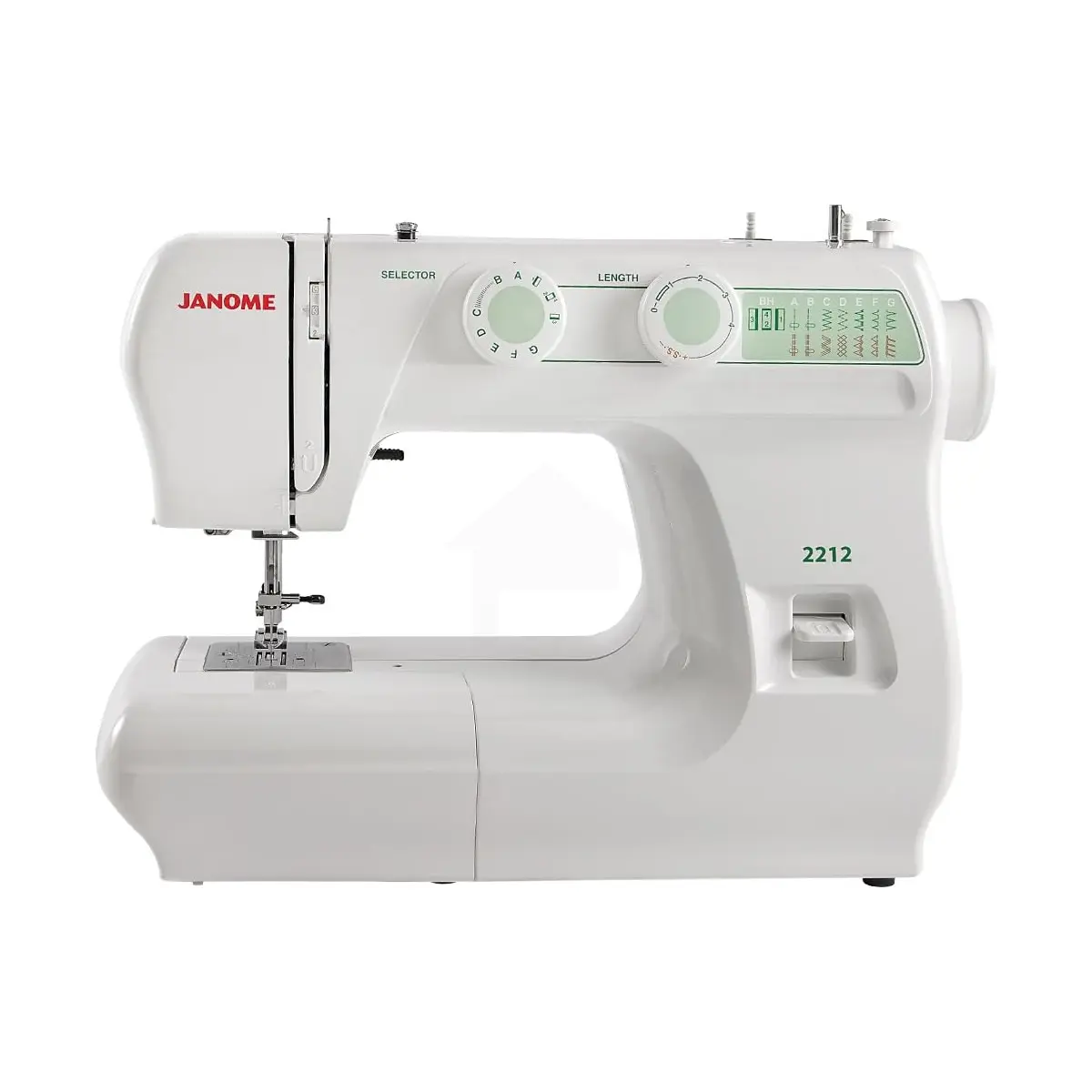 | Janome 2212 Beginners who want clear dials, drop feed, a free arm, and a modest feature set | Mechanical sewing machine | Check price |
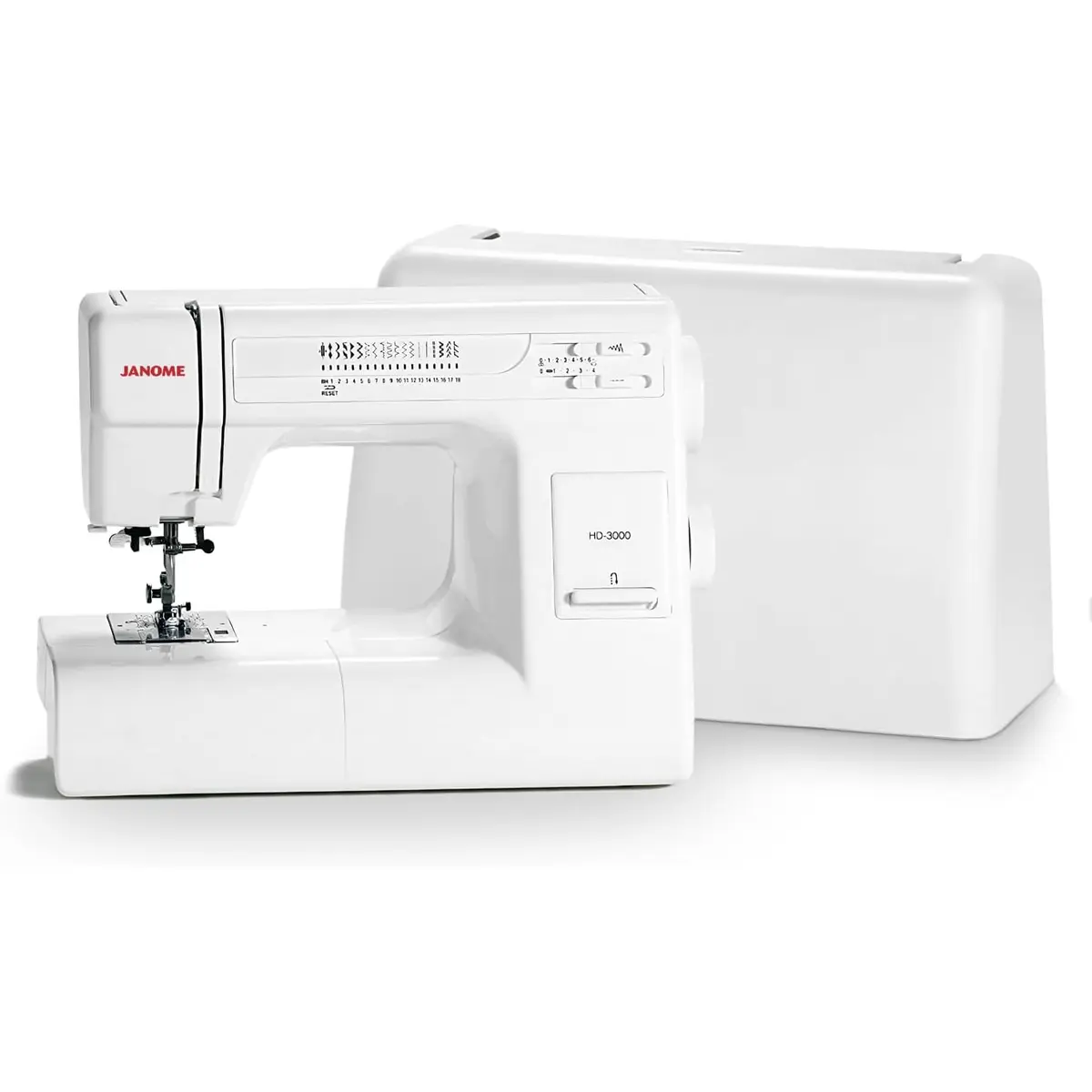 | Janome HD3000 Garments, denim hems, repairs, and occasional light upholstery in a domestic workflow | Mechanical sewing machine | Check price |
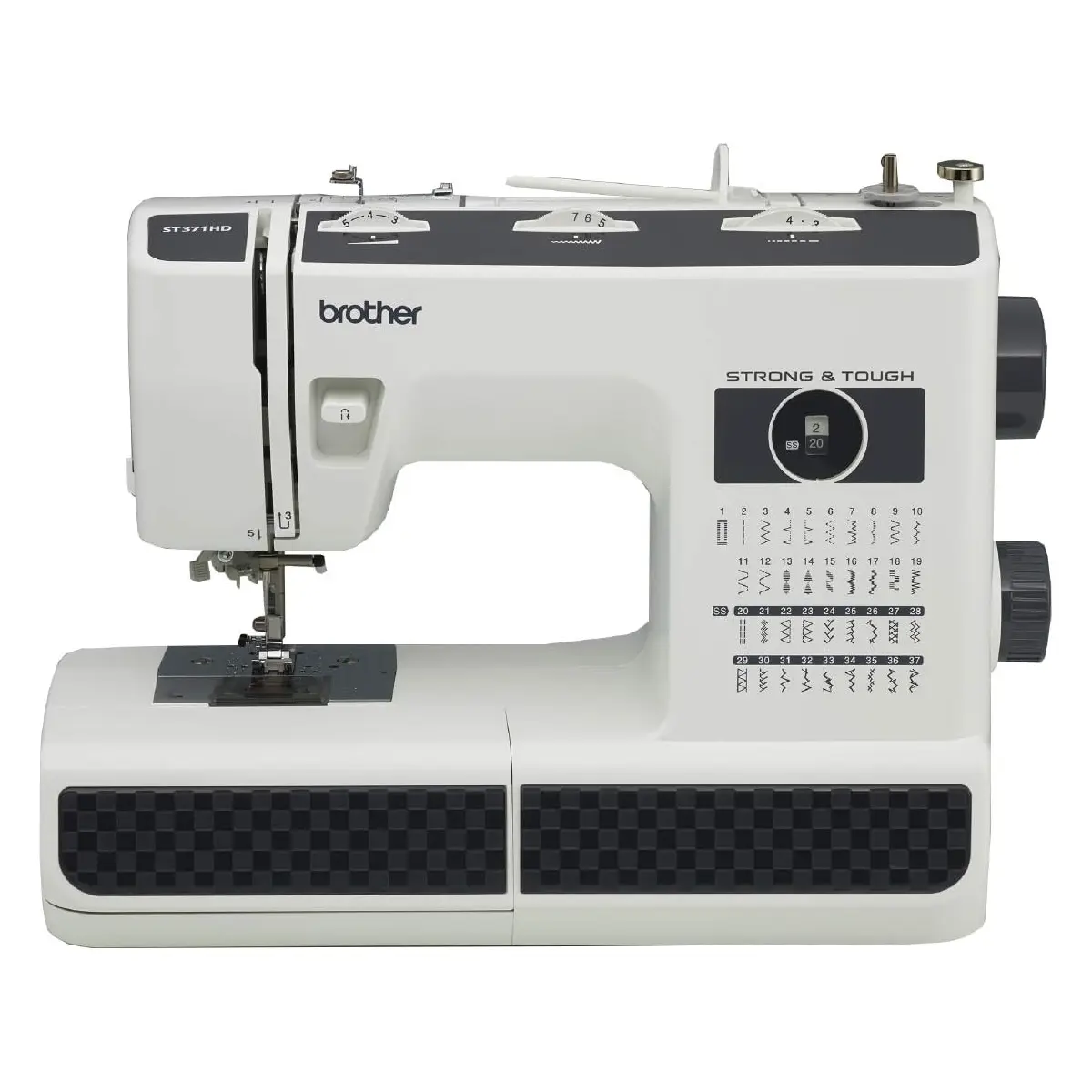 | Brother ST371HD Strong & Tough Value buyers sewing garments, utility projects, denim hems, and occasional canvas | Mechanical sewing machine | Check price |
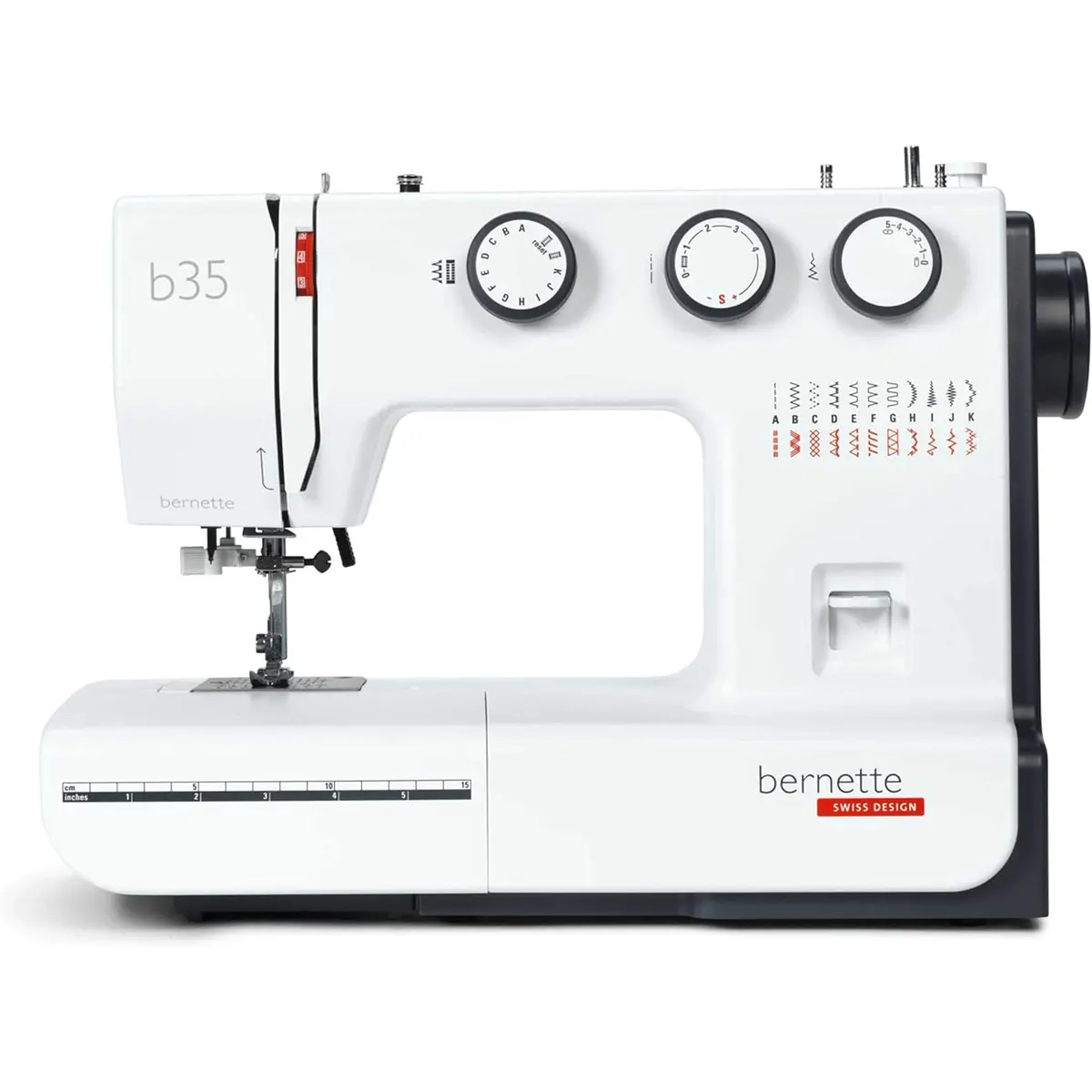 | Bernette 35 Dressmakers who want useful manual adjustment and an automatic buttonhole without a screen | Mechanical sewing machine | Check price |
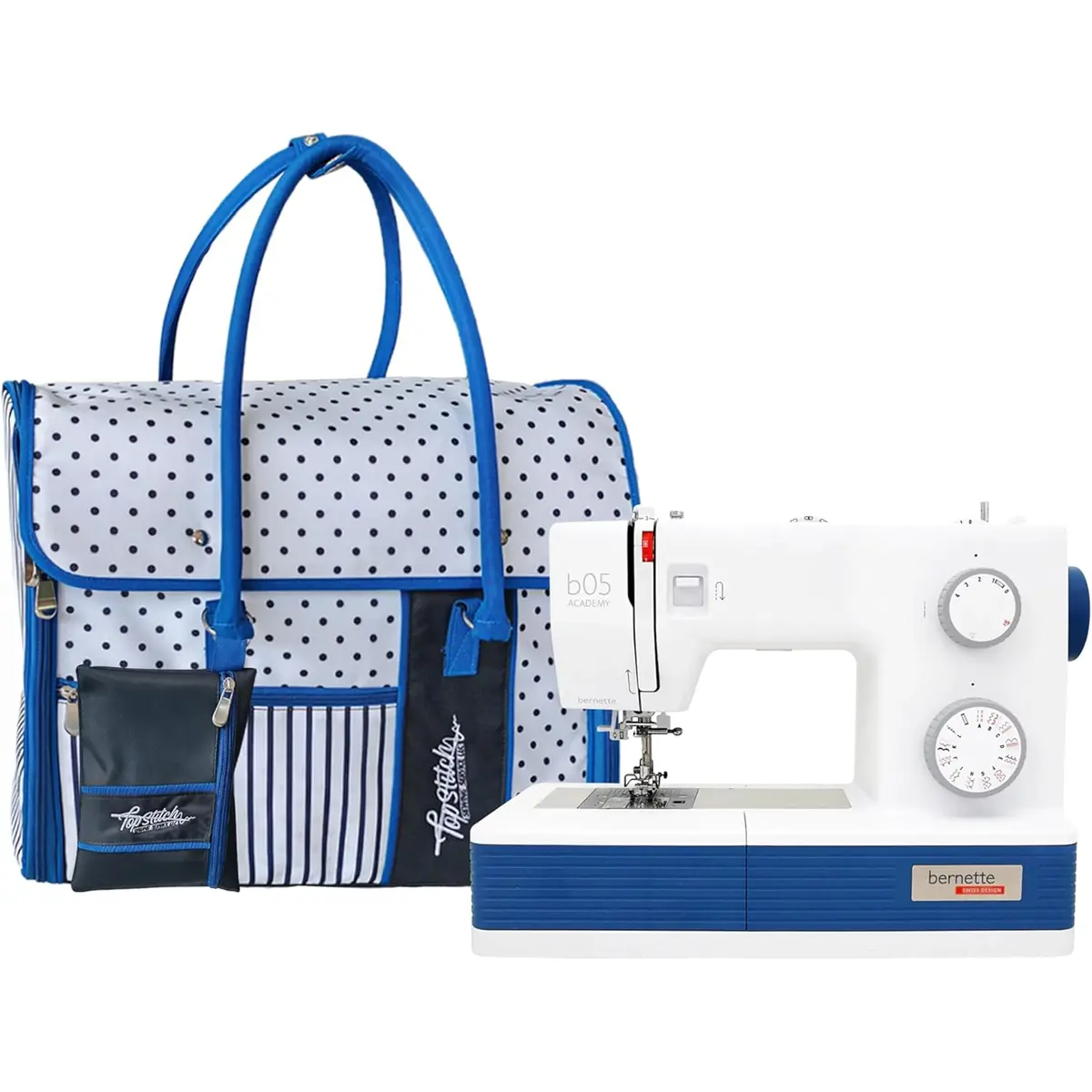 | Bernette 05 Academy Fashion students, shared classrooms, and sewists who want a mechanical interface with a speed limiter | Mechanical sewing machine | Check price |
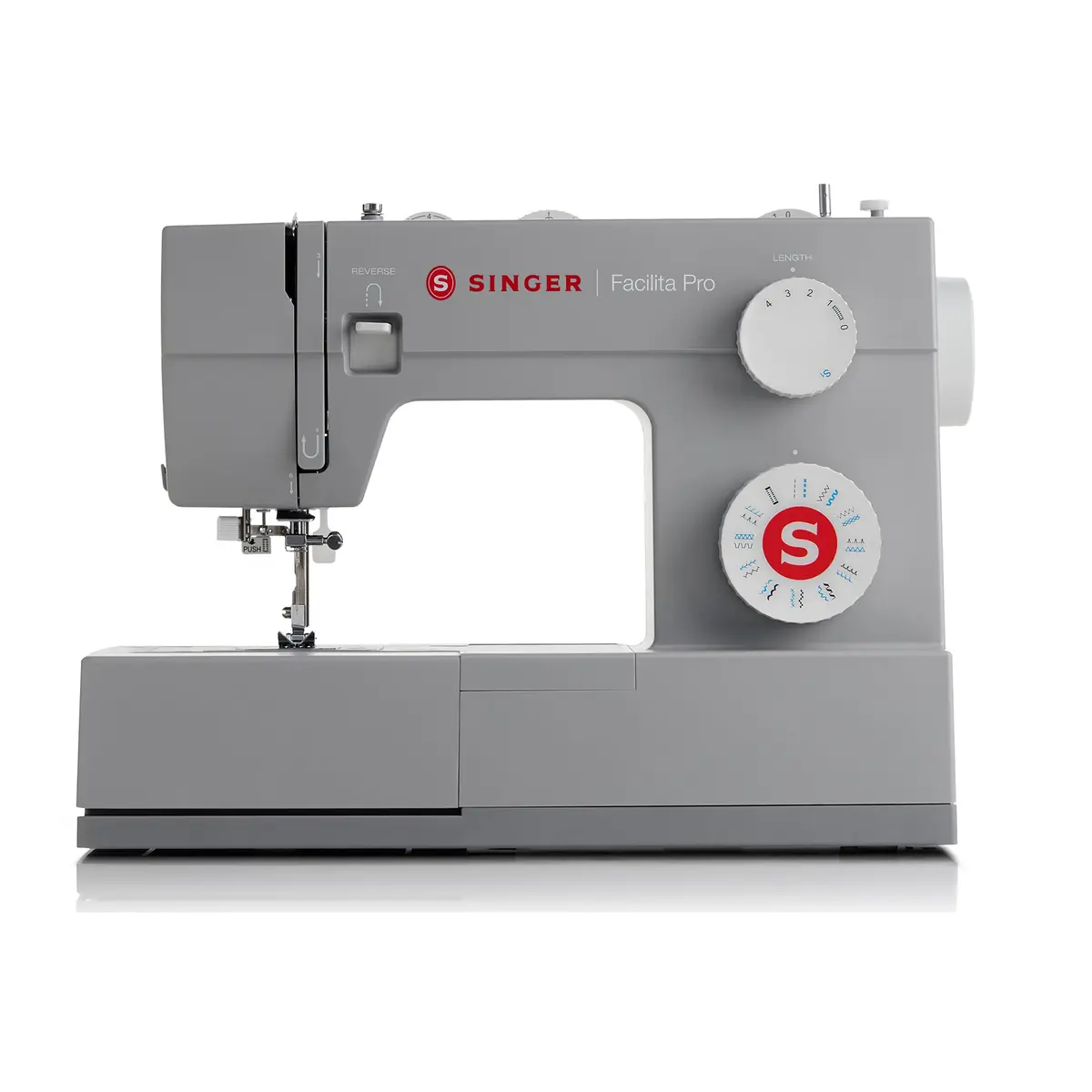 | Singer Heavy Duty 4423 Confident home sewers making garments, denim hems, repairs, and home-décor projects | Mechanical sewing machine | Check price |
Specifications describe controls and rated capabilities, not guaranteed performance on every seam. Match the needle, thread, presser foot, preparation, and layer stack to the project.
The best mechanical sewing machines by use
These picks are ordered as a useful buying path, not a claim that one machine beats all others. A simple Janome 2212 can be the better tool for learning, while a Bernette 35 or HD3000 earns its cost only when its fabric controls solve real work.
Janome 2212
Best simple mechanical machine for learning
Why it makes the shortlist
The 2212 keeps the operator focused on thread path, tension, stitch length, zigzag width, and fabric handling. Its 12-stitch range covers ordinary construction and mending without turning stitch selection into a menu. Drop feed adds room to learn darning or guided free-motion work, while the free arm makes cuffs and trouser hems easier to position.
Where it is strongest: It offers enough adjustment to teach transferable sewing skills, yet the control panel remains understandable at a glance.
Main limitation: The four-step buttonhole requires the operator to advance through each side and bartack. The front-loading bobbin is less visible than a top-loading system, and this remains a normal domestic machine for ordinary fabrics.
Skip it if: You want automatic buttonholes, speed limiting, a top-loading bobbin, or regular work on dense home-furnishing stacks.
Janome HD3000
Best substantial mechanical machine for frequent home sewing
Why it makes the shortlist
The HD3000 is the strongest fit here for a home sewer who values physical controls but needs more authority over changing fabric weights. Adjustable presser-foot pressure is especially useful when moving between fine garment fabric and thicker seams, because pressure can affect feeding and marking as much as motor power does. The top-loading bobbin also makes remaining thread easier to monitor.
Where it is strongest: Its combination of pressure adjustment, extra-high foot lift, solid domestic construction, and useful included feet suits a wider home workload than the simplest machines.
Main limitation: Official and retailer materials currently conflict on whether the buttonhole is one-step or four-step for this exact configuration. Confirm the current model, manual, and included accessories with the seller. It is a household machine, not an industrial upholstery or leather machine.
Skip it if: You need production duty, compound feed, very heavy thread, or repeated thick leather and upholstery assemblies.
Brother ST371HD Strong & Tough
Best value mechanical option for mixed everyday fabrics
Why it makes the shortlist
The ST371HD covers more decorative and utility stitches than the Janome 2212 while retaining direct dial controls. Its included non-stick foot is useful for materials that tend to drag against a standard metal foot, and the spring-action zigzag foot helps the machine travel over modest changes in layer height. The free arm supports common alterations and garment finishing.
Where it is strongest: It offers a broad domestic feature set and practical feet without requiring a computerized interface.
Main limitation: The Strong & Tough name does not turn this light domestic platform into a production machine. Throat space, feed geometry, needle system, and sustained workload remain domestic, and performance at a thick seam depends on the full material stack.
Skip it if: You need a particularly substantial chassis, adjustable presser-foot pressure, industrial feeding, or daily high-volume work.
Bernette 35
Best refined mechanical choice for garment sewing
Why it makes the shortlist
The Bernette 35 combines the tactile control that attracts mechanical-machine buyers with garment-friendly conveniences that simpler models omit. Adjustable presser-foot pressure helps with fabric variation, while the one-step buttonhole is more repeatable and less interruption-prone than a manual four-step process. The included feet support common dressmaking tasks without immediately expanding the accessory budget.
Where it is strongest: It is a balanced manual-control machine for sewists who care more about fabric handling and clean garment construction than a very large stitch library.
Main limitation: The front-loading bobbin takes more access and is not visible during sewing. The machine carries a premium over entry models, and computerized alternatives at similar prices may offer speed control and needle-position functions.
Skip it if: A top-loading bobbin, start-stop button, speed slider, programmable needle position, or maximum features per pound matters more than manual simplicity.
Bernette 05 Academy
Best mechanical machine for classes and controlled speed
Why it makes the shortlist
The B05 Academy is unusual because it pairs direct mechanical stitch controls with a speed limiter. That can help a student practise curves, topstitching, and unfamiliar techniques without the pedal immediately taking the machine to its full rated speed. The extension table supports larger panels, and the broad foot set gives a class or developing dressmaker room to explore techniques.
Where it is strongest: It preserves a manual interface while solving the abrupt-speed concern that makes some mechanical machines harder for new or precision-focused users.
Main limitation: It is larger and more expensive than a basic learning machine. The exact Amazon ASIN checked for this guide is a third-party bundle that includes a Top Stitch tote bag, not necessarily the plain manufacturer package. Confirm seller, bundle contents, return terms, and warranty eligibility.
Skip it if: You only need simple repairs and straight seams, or you want the smallest and least expensive mechanical option.
Singer Heavy Duty 4423
Best fast mechanical option with a top-loading bobbin
Why it makes the shortlist
The 4423 suits buyers who prefer a quick, physical-control machine and appreciate the visibility of a top-loading bobbin. Adjustable presser-foot pressure gives it more useful fabric control than many entry-level mechanical models, while the one-step buttonhole reduces manual intervention on repeated garment details.
Where it is strongest: It offers high rated domestic speed, practical adjustment, and simple access at a widely available price point.
Main limitation: Heavy Duty is a product-family name, not an industrial classification. The pedal can feel quick to some users, and rated maximum speed does not prove controlled low-speed penetration or suitability for repeated heavy leather and upholstery stacks.
Skip it if: You are highly sensitive to pedal response, need a speed limiter, or require industrial feed, duty cycle, thread capacity, and service support.
How to choose a mechanical sewing machine
Start with fabric control, not stitch count
Straight stitch, zigzag, a stretch option, blind hem, and a usable buttonhole cover most ordinary construction. Extra decorative patterns can be enjoyable, but they do not compensate for uneven feeding or a pedal that is difficult to control. If you move frequently between slippery cloth, knits, denim, and layered seams, adjustable presser-foot pressure may be more valuable than another twenty stitches.
Understand what presser-foot pressure changes
Pressure holds fabric against the feed dogs. Too much can stretch knits, mark delicate fabric, or make thick layers resist movement. Too little can reduce grip and allow layers to shift. Adjustment does not create industrial feed, but it gives an experienced operator another way to balance fabric handling. The HD3000, Bernette 35, and Singer 4423 stand out for this reason.
Judge low-speed control separately from maximum speed
A high rated speed can help on long seams, yet beginners and precision work often benefit more from predictable slow response. Pedal feel is influenced by the controller, motor regulation, machine setup, and user technique. The B05 Academy is the most direct solution here because its speed limiter caps the maximum, while the fast Singer 4423 may suit a more confident foot.
Choose the buttonhole workflow you will tolerate
A one-step system uses a buttonhole foot and completes the sequence with less switching. A four-step system asks the operator to select each side and bartack. Four-step is not unusable, but test markings and careful sequencing matter if you sew garments regularly. The Janome 2212 is a four-step choice, while the Bernette 35, B05 Academy, Brother ST371HD, and Singer 4423 offer one-step workflows according to current manufacturer information.
Top-loading and front-loading bobbins have practical differences
A clear top cover lets you see thread supply and usually simplifies access. A front-loading system uses a removable bobbin case and can require more familiarity to insert correctly. Neither layout guarantees better tension. Cleanliness, correct winding, threading, case condition, needle condition, and timing matter more.
Look beyond the phrase heavy duty
The HD3000, ST371HD, and 4423 can be appropriate for domestic denim hems and utility sewing, but model names do not define machine class. Repeated upholstery, webbing assemblies, dense leather, heavy thread, and long production shifts can require a larger needle system, compound or walking feed, stronger take-up, more clearance, a larger bobbin, and an industrial table and motor.
Check service before assuming repairability
Ask a local technician whether they service the exact model, which routine parts are available, and what is excluded from warranty. A mechanical dial can be easy to understand while the internal assembly is still specialised. Good documentation, parts access, and a competent service path are stronger evidence of maintainability than the absence of a screen.
When a mechanical machine is the wrong choice
Choose a computerized machine if reliable speed limiting, needle up or down, programmable tie-off, alphabet stitches, memory, or a wider set of automatic buttonholes will materially improve your work. Those features are not distractions when they solve repeated garment, quilting, or accessibility needs.
Choose industrial equipment when the business depends on sustained output, specialist feed, heavy thread, large work clearance, or a narrow operation performed all day. A domestic machine occasionally crossing a prepared denim hem is not evidence that it can replace an industrial machine for jeans production or upholstery.
For an absolute beginner, do not select mechanical solely because it appears simpler. A well-designed computerized machine with a speed slider and automatic needle positioning can be easier to control. The decision should follow the person’s coordination, project list, learning preference, and access to support.
Pre-purchase checklist
- Write down the three fabrics and seam types you expect to sew most often.
- Confirm the exact model number, ASIN, seller, manufacturer package, and included feet.
- Download the current manual and check threading, bobbin, needle system, oiling, and maintenance instructions.
- Decide whether adjustable presser-foot pressure, drop feed, free arm, one-step buttonhole, or speed limiting is genuinely required.
- Check local service availability, parts access, warranty eligibility, and return terms before buying a third-party bundle.
- Budget for appropriate needles, quality thread, useful presser feet, bobbins, cleaning supplies, and a stable table.
- Test new materials on scraps and reduce bulk before forcing the machine over a difficult seam.
Our practical verdict
The Janome HD3000 is the most balanced choice for frequent home sewing because pressure adjustment, an extra-high foot lift, a top-loading bobbin, and substantial domestic construction address a broad range of real projects. Confirm its current buttonhole configuration before ordering because current official and retailer wording is inconsistent.
The Janome 2212 is the clearer learning platform. The Brother ST371HD offers strong value and a broad domestic stitch range. The Bernette 35 best fits garment sewists who want manual adjustment plus a one-step buttonhole. The B05 Academy is the distinctive class and precision pick because it adds speed limiting. The Singer 4423 suits confident users who value fast sewing and a top-loading bobbin, provided they understand its domestic limits.
Primary specification sources
Core specifications were checked against the Janome 2212 information sheet and instruction book, the Janome HD3000 product page and manual, the Brother ST371HD product page, the Bernette 35 product page, the Bernette 05 Academy product page, and the Singer 4423 product page. Retailer listing identities and bundles were checked on July 22, 2026.
Frequently asked questions
Is a mechanical sewing machine better than a computerized one?
Neither control type is universally better. A mechanical machine offers direct dials and fewer screen-based functions, while a computerized machine can add speed limiting, automatic needle positioning, precise stitch settings, and more buttonhole options. Choose according to the controls and workflow you will use.
Do mechanical sewing machines last longer?
Not automatically. Fewer digital controls may reduce dependence on screens and electronic interfaces, but lifespan still depends on internal design, materials, alignment, maintenance, workload, parts, and service support. A poorly matched mechanical machine can wear or lose adjustment sooner than a well-supported computerized model.
Which mechanical sewing machine is best for a beginner?
The Janome 2212 is the clearest learning platform in this shortlist because its limited stitch range and direct controls keep the basics visible. Choose the Bernette 05 Academy instead when a speed limiter and classroom-oriented accessories justify the extra size and cost.
Can these mechanical sewing machines sew denim?
They can handle appropriate denim seams when the needle, thread, presser foot, seam preparation, and layer count suit the machine. A bulky flat-felled hem may be much harder than two flat denim layers. Use a suitable denim needle, level the foot over a hump, turn the handwheel if needed, and never force a stalled machine.
Is a one-step buttonhole better than a four-step buttonhole?
A one-step buttonhole is usually faster and easier to repeat because the machine completes the sequence with less operator intervention. A four-step buttonhole gives the operator direct control but requires accurate switching between stages. Either can be useful when correctly set up on test fabric.
Is a front-loading or top-loading bobbin better?
A top-loading bobbin is easier to view and often quicker to access. A front-loading bobbin keeps a traditional removable case and may appeal to users comfortable adjusting and cleaning that system. Feed quality, tension condition, correct threading, and maintenance matter more than the loading direction alone.
Are mechanical sewing machines easier to repair?
They can be easier for some technicians to diagnose when controls are mechanically linked, but repairability depends on the exact design, access to service information, replacement parts, local expertise, and whether assemblies are intended to be serviced. Mechanical should not be treated as a guarantee of cheap or simple repair.